









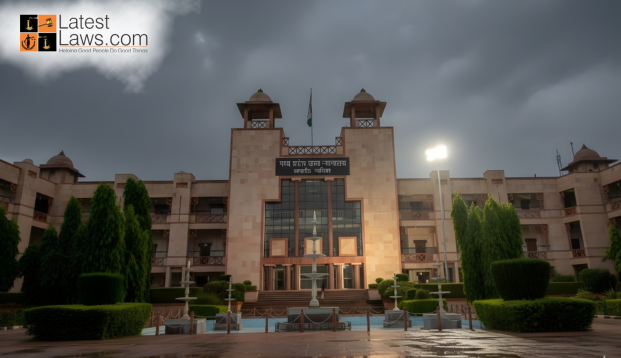
Recently, the Madhya Pradesh High Court in the long-standing Bhojshala Temple- Kamal Maula dispute witnessed significant arguments on the maintainability of public interest litigations filed in the matter. Intervenors questioned whether such a complex ownership dispute could be resolved within the limited scope of PIL jurisdiction.
The dispute revolves around Bhojshala, a historically significant 11th-century structure under the protection of the Archaeological Survey of India. The site is claimed by two religious communities with differing beliefs: Hindus consider it a temple dedicated to Goddess Saraswati, while Muslims treat it as the Kamal Maula Mosque.mAn administrative arrangement introduced in 2003 permits Hindus to conduct worship on Tuesdays and Muslims to offer prayers on Fridays.
One of the petitions before the High Court seeks a scientific examination of the structure with the aim of establishing religious character and reclaiming the site for Hindu worship. It also calls for restrictions on Muslim prayers at the premises.Earlier, the High Court had directed a survey of the site. This direction was challenged before the Supreme Court of India, which allowed the survey to proceed but instructed that the findings be shared with all parties and objections be considered during final adjudication.
Senior Advocate Shobha Menon, appearing for intervenors, argued that the present proceedings essentially involve a dispute over ownership and title, which cannot be determined in a PIL. She contended that PIL jurisdiction is meant for issues of public interest and not for adjudicating private disputes between parties, especially where detailed examination of evidence is required. According to her, such matters fall squarely within the jurisdiction of civil courts.
It was further argued that even claims relating to religious practices are civil in nature when they involve competing rights, and therefore must be resolved through proper civil proceedings. The intervenors also questioned the timing of the petitions, pointing out that similar issues had been raised in earlier proceedings decades ago. The present petitions were described as repetitive and lacking genuine public interest.
On the nature of the site, it was submitted that the structure is a protected monument under central legislation, and its control vests with the Union Government. Historical records, according to the intervenors, do not conclusively establish uninterrupted religious use of the site. They further argued that the right to religious freedom under Article 25 is not absolute and is subject to limitations such as public order and legal regulation, especially in the case of protected heritage monuments.
The High Court has not yet delivered final findings but has been actively managing the procedural aspects of the dispute. It has directed that materials collected during the survey, including videographic evidence, be made accessible to all contesting parties through a secure digital platform.
Picture Source :




















